
martes, 4 de abril de 2017

jueves, 30 de marzo de 2017


jueves, 23 de marzo de 2017
REPORTED SPEECH

Click on the title to watch a video about Reported speech.
Click on the picture to go to a web page to practise reported speech.
martes, 21 de marzo de 2017
Conditionals
Hi class, in this publication you have a presentation about how form the conditionals, when we have use it and there are exercise to practise too. I hope you have helped.
https://es.slideshare.net/MartaRegalado/conditionals-slideshare

https://es.slideshare.net/MartaRegalado/conditionals-slideshare

lunes, 20 de marzo de 2017
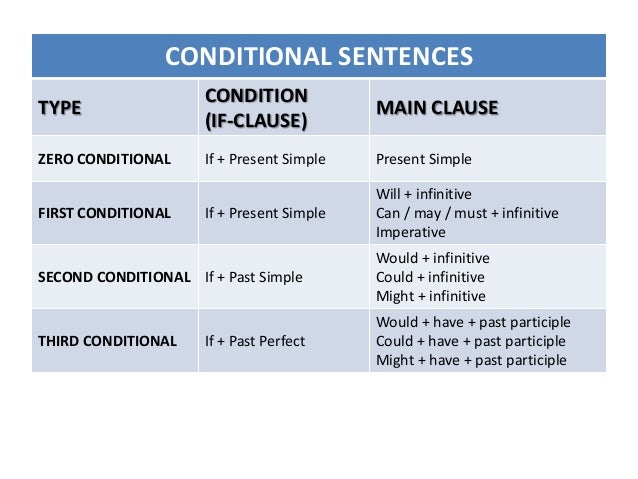
Hello class! I'm Marta, here you have a photo that can help you with the conditionals and a video about the passive
https://www.youtube.com/watch?v=OIIa--lnfwI
Hi class, I'm Alberto and today I'll explain you briefly what is a time clause, how to identify them and their rules.
Time clauses
Time clauses are used in English to demonstrate a period of time based on an action or event, similar to dependent clauses in conditional sentences. Time clauses are complete ideas that require subjects, verbs and objects, but they do not always use the same verb rules as the main clause.
Identifying them
Time clauses are preceded by adverbs or adverb phrases that show they represent a time. These include when, after, until, as soon as, before... When we form a time clause, the adverb of time joins two ideas, linking the main clause to the time in a dependent way. For example:
Time clauses
Time clauses are used in English to demonstrate a period of time based on an action or event, similar to dependent clauses in conditional sentences. Time clauses are complete ideas that require subjects, verbs and objects, but they do not always use the same verb rules as the main clause.
Identifying them
Time clauses are preceded by adverbs or adverb phrases that show they represent a time. These include when, after, until, as soon as, before... When we form a time clause, the adverb of time joins two ideas, linking the main clause to the time in a dependent way. For example:
I will master English after I complete every exercise in my textbook.
Time clause rules
Time clauses only use different rules for future tenses; when talking about past or present events, you can generally use regular tenses for time clauses. For the future, we use the present tenses to talk about future times:
He will finish reading the book after he eats dinner. (Not after he will eat dinner.)
-Thanks for your atention, I hope you find it useful!
Suscribirse a:
Entradas (Atom)